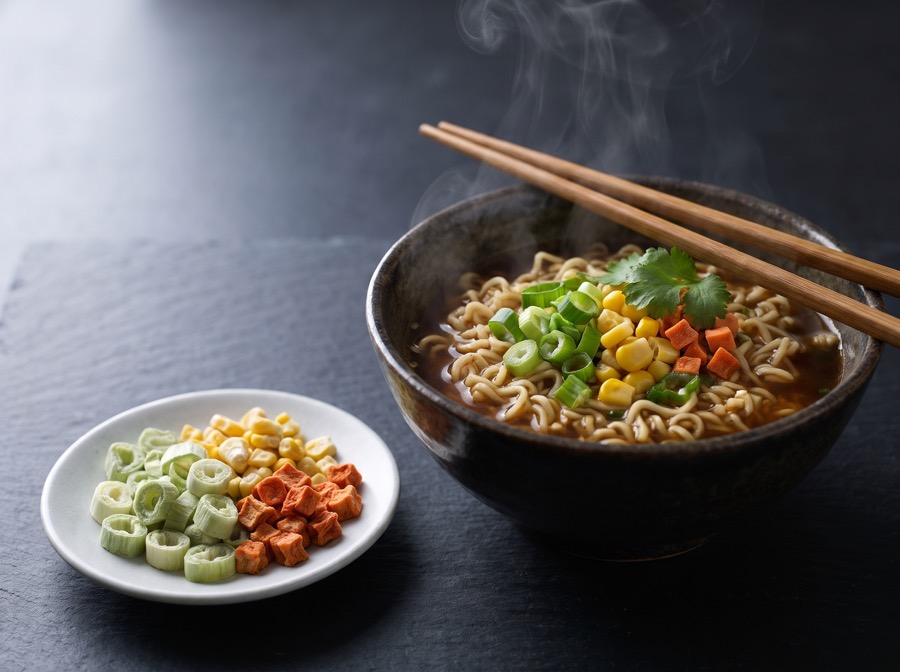
Instant noodles and cup soups
Rings dosed into the vegetable sachet or straight into the cup rehydrate in the hot water the consumer pours. More in instant soups, ramen and miso.
 Freezedry Harvest
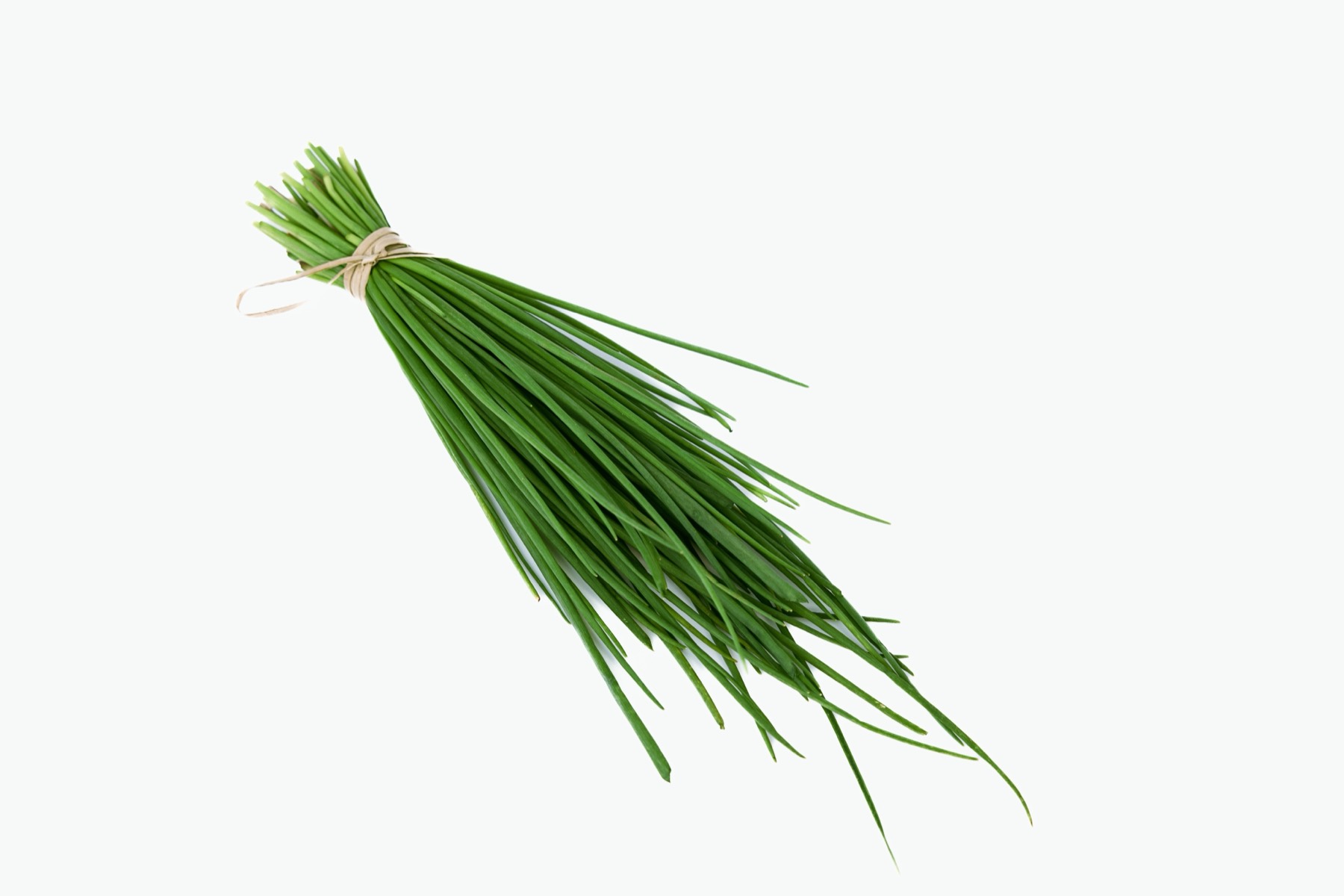
Ingredient · Chives
FD Harvest makes certified organic freeze-dried chives (Allium schoenoprasum) cut into rings, for instant noodles, soups, dips and seasonings. The chives are grown on our own farms at Lake Naivasha and frozen the day they are picked. USDA and EU Organic, certified by Ecocert; free samples with a spec sheet, no minimum order.
01 — The crop
Chives, Allium schoenoprasum, are the smallest cultivated onion: thin, hollow leaves with a mild onion flavor and none of the bite of a raw bulb. Cut across, each leaf gives the neat green ring you see on a bowl of ramen or in cream cheese.
We grow chives on our own farms at Lake Naivasha and harvest them through the year. The leaves are graded, washed, frozen and freeze dried on the day of harvest. They are certified organic by Ecocert to the USDA and EU standards.
Rings are the standard cut. Other lengths, chive powder or a blend with other herbs is made to your specification.
02 — Applications
Chives are a garnish that the consumer sees, so color and shape matter as much as flavor.
Rings dosed into the vegetable sachet or straight into the cup rehydrate in the hot water the consumer pours. More in instant soups, ramen and miso.
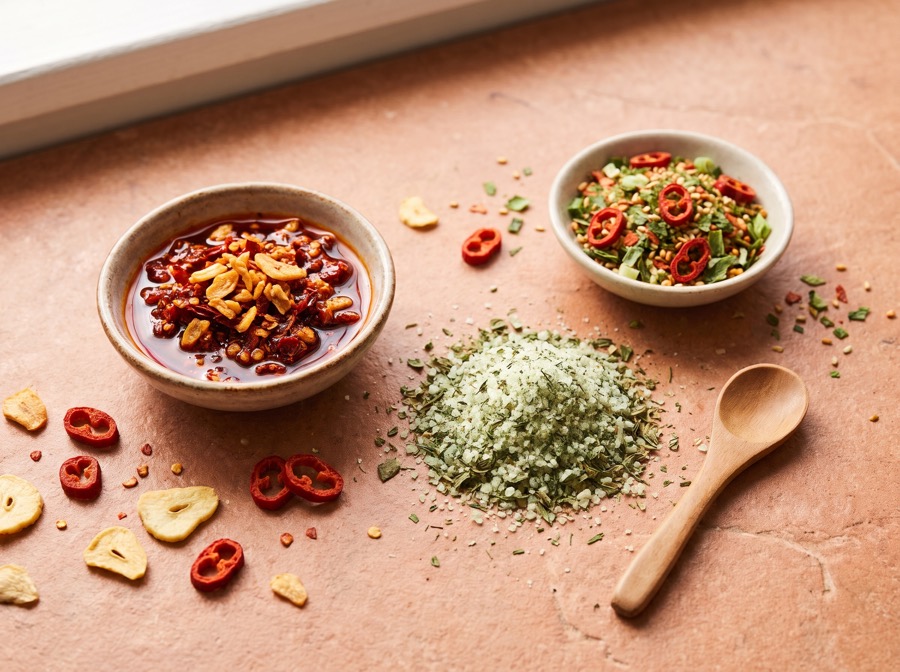
Green rings in herb salts, furikake-style toppings, potato and egg seasonings. More in seasonings and chili crisp.
Sour cream and chive dips, cream cheese and herb butter. The rings soften in the wet base while keeping their shape.
03 — In a noodle sachet
A typical path for a dry vegetable sachet or a cup product. Adjust each step to your line.
Dose the rings dry with the other freeze-dried vegetables. They are light, so check the dose by weight and by how the bowl looks.
Freeze-dried chives take up moisture from the air. Fill in a dry room and seal the sachet in a barrier film.
The porous rings take up hot water in a few minutes and float to the surface, green and round.
Cook a bowl as the consumer would and judge color, shape and flavor against your target.
04 — Color
Heat breaks down chlorophyll, which is why hot-air-dried chives often turn olive. In a 2020 study, freeze-dried chives held about one and a half times the chlorophyll of hot-air-dried chives, and an earlier study on chive leaves pointed the same way. They are not identical to fresh: the same paper notes that one instrumental color reading did not follow the pigment result.
Freeze drying also keeps the hollow ring open and porous, which is why the rings take up water quickly and come back close to their original shape.
05 — Pack, store, sample
What arrives with your chives.
Questions
Add the chive rings dry to the vegetable sachet or cup. They rehydrate in a few minutes in the consumer's hot water and float as green rings.
Yes. FD Harvest freeze-dried chives are certified USDA and EU Organic by Ecocert, with the certificate on request.
Chives are thin, hollow leaves with a mild flavor and small rings; spring onion is larger and stronger, with wider rings. We freeze dry both as rings.
Greener than hot-air-dried chives: in published trials they kept more chlorophyll, because no hot air touches the leaf. They are not identical to fresh.
Our freeze-dried chives keep 3 years in sealed packaging. Once opened, reseal the pouch and keep it dry.
Tell us the product, the cut and the format, and we will ship chive samples with a spec sheet.
Contact us